
Re-Elect Councillor
Linda Watt
Independent by choice. Accountable to you. Focused on West Vancouver.
A Practical, Independent Voice
I am seeking re-election to West Vancouver Council after four years of service, bringing an independent voice and a strong commitment to accountability.
Throughout my term, I have scrutinized proposals, challenged assumptions, asked difficult questions and demanded answers, while keeping residents’ interests at the centre of Council decisions. I value diverse perspectives around the Council table and believe respectful debate leads to better decisions.
Fiscal responsibility has been a particular priority. I have served as Council Liaison to the Finance and Revenue Committee since its inception, and have been an unwavering advocate for independent financial scrutiny and meaningful public oversight.
I will continue to advocate for accountability on major local and regional capital projects. I brought forward the motion calling for a Municipal Inspector’s inquiry into the North Shore Wastewater Treatment Plant because major public expenditures demand rigorous scrutiny and accountability—and because we must learn from past projects before undertaking the next one.
I have also been vocal in challenging one-size-fits-all approaches to housing. West Vancouver’s geography presents real constraints, and growth must be considered alongside infrastructure capacity, environmental protection and emergency preparedness. With limited evacuation routes and increasing regional pressure, these are not theoretical concerns. I will continue to advocate for thoughtful, locally appropriate planning that protects our community while preparing responsibly for the future.
My Priorities
-
Recognizing the importance of prudent financial stewardship, Council established the Finance and Revenue Advisory Committee in 2025 to bring together experienced financial professionals from our community to provide independent advice and recommendations on long-term financial planning, budgeting, and revenue opportunities.
As Council's liaison and a voting member of the committee, I have the privilege of working alongside some of West Vancouver's most accomplished financial minds. The committee provides Council with an additional level of financial expertise and independent perspective as we consider complex financial decisions that will affect our community for decades to come.
Serving on the committee has reinforced one of the questions I ask before every major decision: What are the long-term financial implications? Every decision we make affects future budgets, future taxpayers, and future Councils. Responsible stewardship means looking beyond today's priorities to ensure West Vancouver remains financially strong for generations to come.
Additional School Tax
West Vancouver homeowners collectively pay one of the highest amounts of the Additional School Tax in British Columbia, yet many residents understandably believe those dollars remain in our community. They do not. The tax flows into the Province's General Revenue rather than directly supporting the West Vancouver School District.
Through the Union of BC Municipalities Conference discussions with the Minister of Finance, I have consistently advocated for greater transparency about how the Additional School Tax is collected and used. I have called for the Province to reconsider this tax, which places a significant financial burden on many homeowners—particularly seniors who purchased their homes decades ago and now risk being taxed out of the community.
-
As one of the few elected officials serving on the Invest Vancouver Management Board, I work alongside business and industry leaders from across the region to strengthen Metro Vancouver's long-term economic future. By supporting innovation, attracting strategic investment, and helping local businesses grow, we are working to build a resilient regional economy that benefits communities throughout the region, including West Vancouver.
As a member of Metro Vancouver's Air Quality Advisory Committee, I work with representatives from across the region on issues affecting air quality, transportation, climate resilience, and environmental health.
Serving on both bodies has broadened my perspective on the challenges facing our region. The discussions at one table continually inform my thinking at the other, reinforcing that complex issues are rarely solved in isolation.
Economic development and environmental stewardship are often portrayed as competing priorities. My experience has shown me they are deeply connected. Transportation, housing, employment, air quality, climate resilience, and protection of our natural environment all influence one another. The strongest communities recognize these connections and make decisions that balance prosperity with sustainability.
-
I am an independent thinker. Before taking a position on an important issue, I hunker down, study the reports, ask questions, and take the time to understand the facts before reaching conclusions.
Residents deserve decisions based on evidence, not assumptions, and confidence that public funds are being managed responsibly.
These principles have guided my work on the North Shore Wastewater Treatment Plant. I have supported the call for independent oversight, joining the municipalities of North Vancouver, the City of North Vancouver and New Westminster in seeking a Municipal Inspector inquiry to help restore public confidence. West Vancouver Council ultimately voted unanimously to support a request for a Section 765 Municipal Inspector inquiry into the extraordinary cost overruns and the decisions that led to them.
Good governance isn't about assigning blame. It's about transparency, accountability, learning from experience, and maintaining public confidence in the institutions that serve us.
-
Working closely with Councillor Christine Cassidy, Bylaw Services, and District staff, I have worked to identify and address long-standing problem properties, including derelict homes, neglected lots, and inactive construction sites.
Recognizing the impact these properties have on surrounding residents, I brought forward a motion that received unanimous support from Council directing staff to review bylaws governing inactive development sites, prolonged construction fencing, landscaping standards, and enforcement tools.
The objective was straightforward: to give the District better tools to address properties that negatively affect neighbourhood safety, appearance, and quality of life while encouraging the timely completion of development projects.
Well-maintained neighbourhoods protect property values, strengthen community pride, and improve quality of life for everyone. I will continue working to ensure West Vancouver has effective tools to address long-standing problem properties while preserving the character of our neighbourhoods.
-
Transportation is one of West Vancouver's most defining challenges. It is about far more than traffic congestion. It affects public safety, emergency response, access to healthcare, economic productivity, air quality, and our overall quality of life.
West Vancouver does not exist in isolation. We are the gateway to the Sea-to-Sky corridor and home to the Horseshoe Bay ferry terminal, through which approximately three million vehicles and seven million passengers travel each year. At the same time, significant growth is occurring throughout Metro Vancouver, the North Shore, and the Sea-to-Sky corridor, placing increasing pressure on a transportation network that is already operating at or beyond capacity.
Residents experience these pressures every day—travelling to Lions Gate Hospital, trying to reach medical appointments on time, commuting to work, crossing the Lions Gate Bridge, or simply moving around their own community.
Unlike many municipalities, West Vancouver cannot simply build another road to relieve congestion. Our geography is defined by the mountains and the ocean, leaving us with limited transportation corridors that serve not only our residents, but the entire region.
I support thoughtful growth, but growth must be matched by transportation and infrastructure planning. Housing, employment, healthcare, schools, utilities, emergency services, transit, and transportation are all interconnected. Planning one without the others is not responsible planning.
West Vancouver's transportation challenges are not created by West Vancouver alone. They are the cumulative result of regional growth, expanding ferry traffic, increasing tourism, continued densification across the North Shore and Sea-to-Sky corridor, and transportation infrastructure that has not kept pace. Addressing these pressures requires regional solutions—not simply expecting individual municipalities to absorb ever-increasing demand.
As our region continues to grow, we need a coordinated transportation strategy that recognizes these realities. We cannot continue approving housing, increasing density, and encouraging regional growth without a corresponding plan for how people will move safely, efficiently, and reliably throughout the region.
Thoughtful planning means looking beyond municipal boundaries. West Vancouver's future depends not only on the decisions we make locally, but on ensuring regional growth is supported by regional transportation planning.
-
West Vancouver is an aging community. Nearly one in three residents is 65 or older, and our median age is a decade above the Metro Vancouver average. That reality needs to be reflected in how we plan, deliver services and support residents and their families.
The approval of the new Inglewood Care Centre was a pivotal step toward addressing the need for long-term care and independent living in our community. But we need even more beds and resources to keep up with our growing and aging population. There is still work to do.
We are fortunate to have exceptional palliative and hospice services on the North Shore, along with programs that provide important support to patients, families and caregivers. These are services worth recognizing, supporting and building upon.
My own experience as a full-time caregiver for my husband while he battled an aggressive brain tumour gave me a very personal understanding of what families face when serious illness enters their lives. Even with excellent professionals and services around us, navigating a complex system can be overwhelming. Knowing what exists, understanding how to access it, coordinating care, and finding practical and emotional support can be difficult at a time when families are already under enormous pressure.
That experience also showed me that supporting the person receiving care is only part of the equation. Caregivers need support too. They often become the people coordinating appointments, managing medications, advocating for their loved ones and making decisions under extraordinary circumstances while trying to keep their own lives and families together. Caregiving can also be profoundly isolating.
West Vancouver has a Seniors’ Community Outreach Coordinator who can provide individual support and connect seniors with appropriate community resources. This is an invaluable service, but my experience taught me that there is a difference between having services available and having the capacity to find and use them.
What I don't yet have is the answer to how we best help people find that capacity when they are already overwhelmed. What I learned is that people can become so focused on getting through each day that they don't even recognize when a situation has become more than they can manage on their own. I experienced that myself—even as a municipal councillor who knew there were resources in the community.
Many of the services involved in health and palliative care are appropriately the responsibility of the provincial health system. But municipalities have an important role to play in building connected communities, sharing information, supporting local organizations, identifying gaps, and advocating for residents and families when those gaps become apparent.
We also have an opportunity to strengthen the community infrastructure that supports older residents and their families. The proposed new seniors' centre could become an important piece of the puzzle, but making that vision a reality will require collaboration between the District, the community and private and philanthropic partners.
We need to find better ways to reach people before they reach a crisis—not simply tell them where to go once they are already there.
I want to build on the exceptional services already available on the North Shore while strengthening the network of community supports around them, so that people can age with dignity, families can find their way through difficult circumstances, and caregivers have somewhere to turn before they reach a breaking point.
-
West Vancouver has earned a reputation for delivering exceptional municipal services. Those services are among the best anywhere, but they also come at a cost. As expectations evolve and costs continue to rise, we have an obligation to continually improve how services are delivered while ensuring taxpayers receive good value for every tax dollar.
As Council's liaison and a voting member of the Finance and Revenue Advisory Committee, I work closely with a volunteer group of highly experienced financial professionals to examine the District's long-term financial health and financial sustainability. That work reinforces the importance of continually reviewing our operations, identifying efficiencies, and ensuring District resources are directed where they deliver the greatest benefit.
I support the work already underway to streamline operations, modernize processes, reduce unnecessary duplication, and make thoughtful use of technology. Continuous improvement should be an ongoing commitment, not a one-time exercise.
Good stewardship means never assuming today's way of doing things is the best way. Our goal should always be to deliver exceptional municipal services as efficiently and responsibly as possible.
West Vancouver has earned a reputation for delivering exceptional municipal services. As expectations evolve and costs continue to rise, we must continually look for better ways to serve residents while remaining financially responsible.
That means embracing innovation, improving operational efficiency, making thoughtful use of technology, and regularly reviewing how services are delivered to ensure taxpayers receive the greatest value from every dollar invested.
I support the ongoing implementation of recommendations from the Innova Service Delivery Review, focusing on continuous improvement, modernizing processes, reducing unnecessary duplication, and ensuring District resources are directed where they have the greatest benefit.
Good stewardship means never assuming today's way of doing things is the best way. By fostering a culture of innovation, accountability and continuous improvement, we can strengthen municipal services while protecting West Vancouver's long-term financial sustainability.
Continuous improvement isn't about change for its own sake. It's about ensuring West Vancouver continues to deliver exceptional service while remaining financially strong for generations to come.
-
I did not support the Province's Bill 44 housing legislation. Throughout the process, I was one of the strongest voices advocating for local planning authority and speaking out against a one-size-fits-all approach that ignores the unique circumstances of communities like West Vancouver.
I continue to believe that planning decisions are best made locally by the people who understand their community's geography, infrastructure, environmental constraints, and long-term vision—not through province-wide mandates.
Bill 44 is now law, and Council must determine how West Vancouver responds. My focus remains on protecting our community while meeting our legal obligations. I will evaluate any proposed approach based on whether it genuinely reflects West Vancouver's unique circumstances, protects what makes our community special, and represents the best long-term outcome for our residents.
I will always stand up for West Vancouver when I believe the Province has it wrong. Once legislation becomes law, however, my responsibility is to work constructively to achieve the best possible outcome for our community. That is the approach I will take as Council considers Bill 25.
Endorsements
“I have been impressed by Linda’s hard work, strong attention to detail, and principled approach to standing up for the interests of West Vancouver taxpayers. She has at times been a lone voice ensuring that concerns with the cost and poor governance of the North Shore Wastewater Treatment Plant are addressed by West Vancouver council. In my experience in public infrastructure projects, the district needs the sort of strong independent voice that Linda brings.”
— Nicholas Hann, Former Head of Investments, Canada Infrastructure Bank
“For Council I will be voting for Linda Watt, the hardest working local politician I’ve ever met. She exemplifies what each of us should want in a councillor. She shows up and she listens. And I mean, she shows up. To every event, to every community group, to anywhere West Vancouver residents get together. Formally and informally she adds her wisdom and her voice to their concerns and she isn’t afraid of a fight. She stands up for what she believes in and for the issues that matter. Linda knows West Vancouver as well as anyone I’ve ever met. She’s doing this because she wants to help. We should be grateful we have people like her putting her name on a ballot. She also has my complete support (and my vote again this time) without hesitation.”
— Yuri Fulmer, O.B.C. Chairman
Fulmer & Company
Successful Motions
-
MEMORANDUM
Date: July 20, 2026
To: Council
From: Councillors Linda Watt and Peter Lambur
Re: Request for Consideration as New Business Section 765 Inquiry – North Shore Wastewater Treatment Plant
Background
I respectfully request that Council consider this matter as New Business because significant developments have occurred since the last regular Council meeting, making it timely and appropriate for Council’s consideration prior to the summer recess.
Over many months, I have devoted considerable time to reviewing the North Shore Wastewater Treatment Plant (NSWWTP) project and consulting with individuals with experience in major infrastructure projects and governance. I have not brought this motion forward lightly.
I also want to recognize the significant work undertaken by Mayor Sager in advocating for a fairer distribution of NSWWTP costs across all Metro Vancouver municipalities and for a single, region-wide wastewater system, similar to our regional water system. The Mayor has dedicated considerable effort to advancing these issues and was instrumental in advocating for the independent review now underway at Metro Vancouver. I appreciate those efforts and believe they represent important steps toward greater accountability and a fairer regional approach.
This motion proposes an additional layer of independent statutory oversight that would complement, rather than replace or duplicate, the independent review already initiated by Metro Vancouver. While the current review is an important step, a statutory inquiry provides powers not available through a non-statutory review, including the ability to compel evidence and testimony where necessary. Following an inquiry, the Inspector of Municipalities is required to report findings, representations, and recommendations to the Lieutenant Governor in Council, which may make an order that is binding on the regional district. This additional level of statutory oversight would further support transparency, accountability, and public confidence.
Since our previous Council meeting, I received Metro Vancouver’s written responses to the questions I submitted regarding the NSWWTP project. While several questions were answered, others could not be addressed because the information is commercially sensitive or is expected to form part of Metro Vancouver’s independent review. These responses provide new information relevant to Council’s consideration of this matter.
In addition, on July 6, 2026, the City of North Vancouver and the District of North Vancouver each unanimously adopted resolutions requesting that the Inspector of Municipalities commence an inquiry under Section 765 of the Local Government Act. On July 13, 2026, the City of New Westminster also unanimously adopted a similar resolution.
Given these recent developments and the upcoming summer recess, deferring consideration would delay West Vancouver’s opportunity to participate in a timely regional request for an independent statutory inquiry. If Council believes such an inquiry is warranted, I believe it is important that West Vancouver’s voice be part of that discussion now rather than after the summer recess.
I therefore respectfully request that Council consider this motion as New Business.
Motion
WHEREAS the North Shore Wastewater Treatment Plant (NSWWTP) project was originally budgeted at approximately $700 million and scheduled for completion in 2020, and is now projected to be completed in 2030 at an estimated cost of approximately $3.86 billion;
AND WHEREAS North Shore residents are expected to bear a disproportionately higher share of the project's costs than residents in many other Metro Vancouver municipalities;
AND WHEREAS Metro Vancouver has initiated an independent review of the project, while a review under Section 765 of the Local Government Act would provide an independent statutory process with powers unavailable to a non-statutory review;
AND WHEREAS Section 765 of the Local Government Act authorizes the Inspector of Municipalities to review matters relating to a regional district;
AND WHEREAS a review under Section 765 would provide an independent and transparent examination of the project, help strengthen public confidence, and enhance accountability in the governance and delivery of major regional infrastructure projects;
AND WHEREAS any provincial review should be undertaken in a timely manner while avoiding unnecessary delay to the project;
THEREFORE BE IT RESOLVED THAT the Council of the Corporation of the District of West Vancouver endorse the unanimous July 6th requests of the City of North Vancouver and the District of North Vancouver and the July 13th unanimous vote from the City of New Westminster to formally request that the Inspector of Municipalities exercise the authority provided under Section 765 of the Local Government Act to commence a review the North Shore Wastewater Treatment Plant project;
AND BE IT FURTHER RESOLVED THAT the Inspector be requested to examine the factors contributing to the project's significant cost increases and delays, and provide recommendations to strengthen governance, transparency, accountability, financial oversight, and public confidence in the delivery of major regional infrastructure projects;
AND BE IT FURTHER RESOLVED THAT copies of this resolution be forwarded to the Inspector of Municipalities, the Minister of Housing and Municipal Affairs, Metro Vancouver, the City of North Vancouver, the District of North Vancouver, and all Metro Vancouver member municipalities. 4818991v1
Timeline
October 2021 – Metro Vancouver terminated its contract with ACCIONA, ending the public-private partnership and transferring significant project risk back to taxpayers. The termination has resulted in ongoing litigation involving hundreds of millions of dollars.
September 2023 – Metro Vancouver established a Task Force to examine options for completing the project. Meetings were held in camera and limited information was publicly released.
June 2024 – Metro Vancouver approved a revised project budget of approximately $3.86 billion and announced an independent review of the project.
July 2024 – Metro Vancouver announced an Independent Performance Audit. Questions have since been raised regarding the scope, governance, reporting structure, and independence of that review.
July 2026 – The City of North Vancouver, the District of North Vancouver and the City of New Westminster each adopted unanimous resolutions requesting an inquiry under Section 765 of the Local Government Act.
Discussion
North Shore municipalities have repeatedly expressed concerns regarding the governance, transparency and financial management of the NSWWTP project. Despite raising these concerns through Metro Vancouver's governance processes, many questions remain unresolved.
On June 29, 2026, I submitted fifteen questions to Metro Vancouver Chief Administrative Officer Jerry Dobrovolny concerning the project. These questions addressed, among other matters:
the decision to terminate the ACCIONA public-private partnership;
the procurement process used to select a replacement contractor;
the rationale for terminating the original contract during the COVID-19 pandemic while construction costs were escalating;
the role of members of the Independent Advisory Panel;
the project's governance, terms of reference, and cost escalation.
Written responses were received on July 15, 2026. While several questions were answered, others could not be addressed because the information was considered commercially sensitive or is expected to form part of Metro Vancouver's independent review.
Metro Vancouver's independent review is an important initiative and should continue. However, a review under Section 765 would provide statutory powers unavailable to a non-statutory review, including the authority to compel witnesses to testify under oath, require the production of documents, and conduct proceedings in public where appropriate. As such, a Section 765 inquiry would complement, rather than duplicate, Metro Vancouver's existing review.
Financial Implications
The project's estimated cost has increased from approximately $700 million to approximately $3.86 billion, excluding future operating, maintenance and decommissioning costs. These escalating costs will have significant financial implications for Metro Vancouver municipalities, including West Vancouver residents. 4818991v1
Conclusion
Given the significant escalation in costs, ongoing delays, and continued concerns regarding transparency and governance surrounding the NSWWTP project, it is appropriate for the District of West Vancouver to take steps to support accountability and protect the interests of its residents.
A formal complaint to the Inspector of Municipalities requesting an inquiry under Section 765 of the Local Government Act represents a reasonable and necessary additional measure to provide independent statutory oversight, establish an evidence-based record of what occurred, restore public confidence, and strengthen the governance framework for managing large-scale regional infrastructure projects.
Such an inquiry would complement, rather than duplicate, the independent review already initiated by Metro Vancouver. Without additional independent oversight, important questions regarding project governance, decision-making, cost escalation, and accountability may remain unresolved to the detriment of North Shore communities.
-
August 24, 2026
—————————————————
RECOMMENDATION:
THAT staff be directed to provide an update to Council on the District's current wildfire resilience and evacuation preparedness, including:
1. implementation status of the recommendations contained in the District's Community Wildfire Resiliency Plan, including any recommendations that remain outstanding or require accelerated implementation;
2. wildfire mitigation measures on public and private lands, including vegetation management, FireSmart initiatives, and the identification and mitigation of dead standing trees or other vegetation that may materially contribute to wildfire or public-safety risk;
3. assessment of wildfire risk in the wildland-urban interface, including areas of particular concern based on vegetation, topography, slope, proximity to structures, and other relevant factors;
4. emergency response capacity in the event of a rapidly escalating wildfire, including responder access, water supply, equipment, staging, and coordination with neighbouring jurisdictions and North Shore Emergency Management;
5. evacuation planning and transportation resilience, including:
the number and capacity of available evacuation routes;
potential transportation bottlenecks and single points of failure;
the implications of a wildfire affecting one or more major transportation corridors;
the role and capacity of transit and other transportation resources in supporting evacuation; and
opportunities to improve redundancy and resilience within the transportation network;
6. extent to which wildfire and evacuation planning considers a scenario involving the rapid evacuation of a significant portion of West Vancouver's population, including circumstances in which one or more principal routes are unavailable;
7. opportunities for the District to work with the Province, TransLink, North Shore municipalities, North Shore Emergency Management, and other relevant agencies to identify and address regional wildfire and evacuation vulnerabilities;
8. recommendations for any actions that Council could take in the short, medium, and longer term to improve wildfire resilience, reduce potential evacuation risk, and accelerate implementation of existing wildfire-resilience recommendations; and
9. any associated financial, staffing, regulatory, infrastructure, intergovernmental, or other implications.
BE IT FURTHER RESOLVED THAT staff identify any measures that could be implemented or advanced prior to the next wildfire season, including opportunities to accelerate existing initiatives within the District's authorities and resources.
-
August 24, 2026
—————————————————
RECOMMENDATION:
THAT staff examine, in consultation with the District's legal counsel and relevant public health authorities, the District's existing statutory and bylaw authority and options to:
1. assess rodent activity and risk at properties proposed for demolition or significant site disturbance where there is evidence of existing rodent activity or other circumstances indicating an elevated risk;
2. require, where warranted, an appropriate professional rodent-management or extermination program prior to demolition or significant site disturbance;
3. require appropriate measures to minimize the displacement of rodents onto neighbouring properties during and following demolition or significant site disturbance;
4. establish appropriate standards for the timing, duration, documentation, and verification of rodent-mitigation measures;
5. incorporate appropriate requirements into demolition permits, building permits, development permits, or other applicable regulatory mechanisms;
6. establish appropriate measures for vacant, derelict, or long-unoccupied properties where there is evidence of an existing or emerging rodent problem, including consideration of circumstances in which intervention may be warranted before demolition is proposed;
7. consider whether a risk-based framework could distinguish between properties with little or no identified rodent risk and properties where established rodent activity or site conditions warrant mitigation; and
8. identify any amendments to existing bylaws, policies, permit conditions, or other regulatory instruments that may be required to establish such a framework.
BE IT FURTHER RESOLVED THAT staff be directed to report back to Council on options for establishing a risk-based framework for consistently assessing and mitigating rodent risks associated with vacant, derelict, and long-unoccupied properties, particularly where demolition or other significant disturbance is proposed.
-
MEMORANDUM
Date: To: From: Re: June 22, 2026
To: Council
From: Councillors Linda Watt and Christine Cassidy
Re: INACTIVE DEVELOPMENT SITES AND LONG-TERM CONSTRUCTION FENCING
——————————————————
Notice of the following motion regarding Inactive Development Sites and Long-Term Construction Fencing will be given at the June 22, 2026 regular Council meeting. At the July 6, 2026 regular Council meeting, after the proposed motion is moved and seconded, discussion on the proposed motion may be held.
Take notice that at the July 6, 2026 regular Council meeting, Councillor Watt, with Councillor Cassidy as seconder, will move:
NOTICE OF MOTION
TItle: Inactive Development Sites and Long-Term Construction Fencing
WHEREAS the District of West Vancouver places a high value on neighbourhood character, attractive streetscapes, environmental stewardship, and the maintenance of residential property;
AND WHEREAS some residential development sites remain inactive for extended periods while continuing to be enclosed by temporary construction fencing and associated site works;
AND WHEREAS such sites may remain compliant with existing regulations respecting safety and security while nevertheless creating prolonged visual impacts on adjacent residents and neighbourhoods;
AND WHEREAS a number of municipalities have adopted enhanced standards for vacant properties, inactive construction sites, and long-term development sites to ensure that properties are appropriately maintained during periods of inactivity;
THEREFORE BE IT RESOLVED THAT Council direct staff to review the District's existing bylaws, policies, and permit processes relating to inactive development sites and report back with options, with a view to ensuring that residential development sites which remain inactive for extended periods do not continue indefinitely in a construction-site condition and are restored to a landscaped and well-maintained residential appearance compatible with the surrounding neighbourhood until development activity resumes, including options to:
1. Define and regulate inactive development sites where substantial construction activity has ceased for a specified period of time;
2. Establish standards for the maintenance, screening, landscaping, stabilization, and appearance of inactive development sites; 8. 17. ///// 255
3. Consider requirements for the removal or replacement of temporary construction fencing where active construction is not occurring and such fencing is no longer required for safety purposes;
4. Examine the feasibility of requiring disturbed lands on inactive development sites to be seeded, landscaped, hydroseeded, or otherwise restored to a maintained vacant-lot condition until construction resumes;
5. Consider permit, monitoring, inspection, cost-recovery, and enforcement mechanisms applicable to long-term inactive development sites; and
6. Review best practices and regulatory approaches used in comparable municipalities within British Columbia and elsewhere in Canada.
BE IT FURTHER RESOLVED THAT staff report on the potential benefits, costs, enforcement considerations, and legal implications of any proposed regulatory framework.
-
MEMORANDUM
File: 11-2150-01
Date: October 4, 2023
To: Council
From: Councillor Watt and Councillor Cassidy
Re: Notice of Motion regarding Amendment to the District of West Vancouver Animal Control and Licence Bylaw No. 4545, 2008 and Iong -term Dog Strategy in West Vancouver.
——————————————————
Notice of the following motion regarding amendment to the District of West Vancouver Animal Control and Licence Bylaw No. 4545, 2008, will be given at the October 16, 2023, regular Council meeting, to facilitate more opportunities for dogs on leash in parks. At the October 23, 2023, regular Council meeting, after the proposed motion is moved and seconded, discussion on the proposed motion may be held.
Take notice that at the October 23, 2023, regular Council meeting, Councillor Watt, with Councillor Cassidy as seconder, will move:
WHEREAS the District of West Vancouver's "Animal Control and Licence Bylaw No. 4545, 2008" outlines dog licensing and regulations, dangerous animals, prohibited areas and off-leash areas;
AND WHEREAS it is desirable to facilitate increased opportunities for leashed dogs to be allowed in more areas of parks including along pathways in Horseshoe Bay Park and the Ambleside and Centennial Sea Walk;AND WHEREAS it is desirable to facilitate increased opportunities for leashed dogs to be allowed in more areas of parks including along pathways in Horseshoe Bay Park and the Ambleside and Centennial Sea Walk;
AND WHEREAS it is desirable to develop a long-term strategy for dogs in West Vancouver;
THEREFORE, BE IT RESOLVED THAT
Council direct staff to amend the District of West Vancouver Bylaw No. 4545 Schedule A to eliminate the 5 m setback in Bylaw 4545, 2008;
Council direct staff to amend the district of West Vancouver Bylaw 4545 Schedule A to allow leashed dogs along the paved pathways in Horseshoe Bay Park, not including commercial dog walkers;
Council direct staff to amend the District of West Vancouver Bylaw No. 4545 Schedule A to allow dogs on leash on the Centennial Sea Walk, not including commercial dog walkers;
Council direct staff to amend the District of West Vancouver Bylaw 4545, Schedule A2 and Reroute the dog path to the Ambleside Sea Walk, adjacent to the beach area to allow for dogs on a leash, not including commercial dog walkers;
Council direct staff to develop a long-term strategy for dogs in West Vancouver including a review of current bylaws, current practices, environmental impact, enforcement, and current practices in other municipalities, with a move to be far more dog friendly within West Vancouver.
All the work as listed above (# 1-5) will not encompass any community consultation.
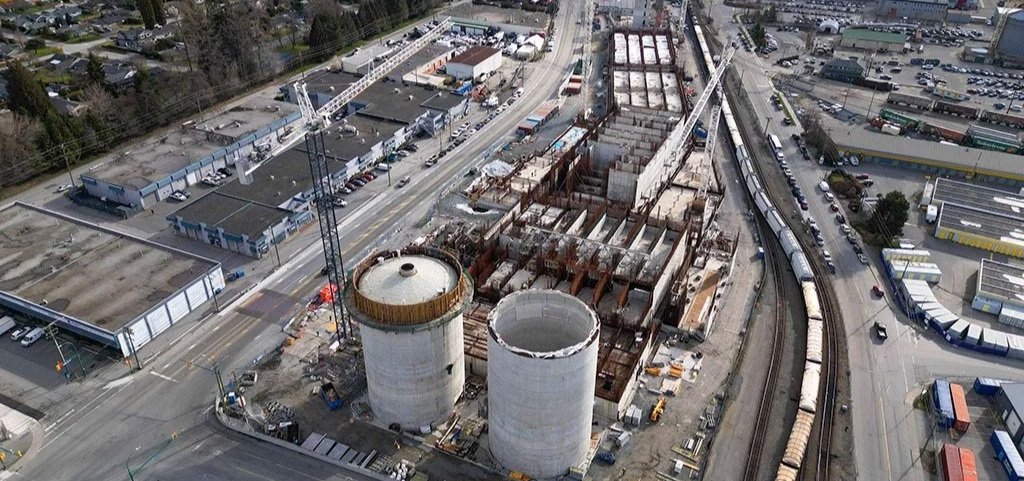
Independent Municipal Inspector’s Inquiry into the North Shore Wastewater Treatment Plant
—
Demand for Accountability
The North Shore Wastewater Treatment Plant has been one of the most significant governance and financial challenges facing our region. I spent considerable time examining the project's history, procurement, governance and escalating costs, and asking difficult questions about how we arrived here.
As I looked more closely at the circumstances surrounding the project, I became convinced that a higher level of independent oversight was necessary. I took the lead in advocating for a Section 765 Municipal Inspector inquiry, supporting the approach being pursued by the District of North Vancouver, the City of North Vancouver and New Westminster.
I believed that a project of this magnitude—with extraordinary cost overruns and billions of dollars in public funds at stake—warranted more than an internal review. Independent oversight can help establish what happened, identify where processes and decision-making fell short, and restore public confidence.
I continued to present my perspective, which eventually resulted in advancing a motion that ultimately secured unanimous support from West Vancouver Council for a request for a Section 765 Municipal Inspector inquiry.
For me, this is what responsible public service means: asking difficult questions when they need to be asked, pursuing the appropriate level of scrutiny, and working to build consensus around doing what is right for the community.
When a public project reaches this scale, transparency and accountability aren't optional. They're essential.
How To Support My Campaign
To help shape West Vancouver’s future consider supporting my campaign.
If you would like to volunteer for my campaign or hold a coffee party, please email me at lindawattcampaign@gmail.com
To donate, please navigate to the Donation Page button, top right of page.